Preparing for College as an Autistic Student
- Christina Massari
- Apr 16
- 6 min read

A guide for parents and students navigating the transition together
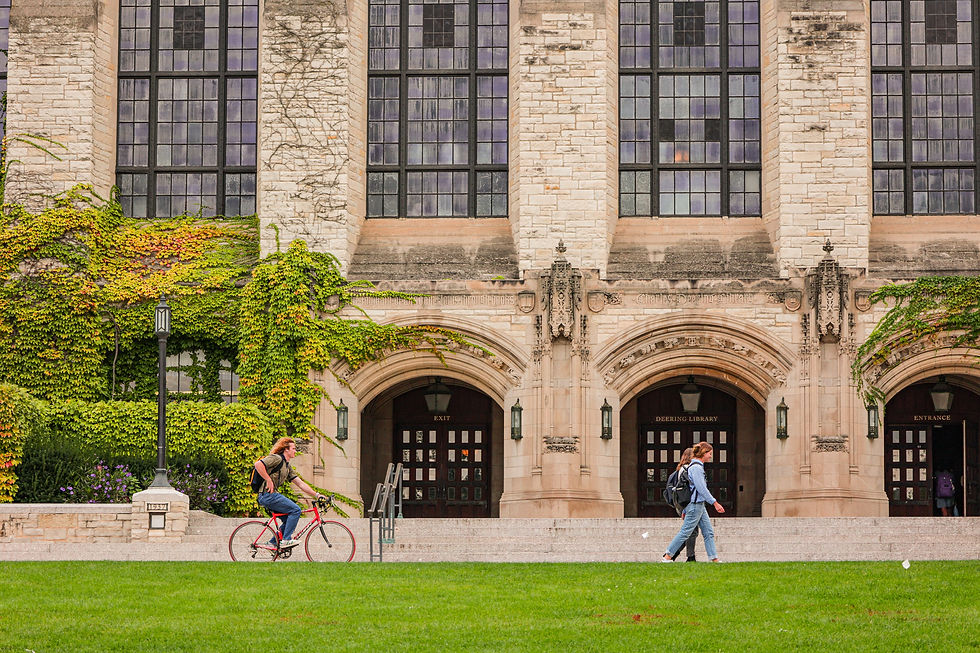
The transition to college is a significant developmental milestone for any young person. For autistic students, it can be both exciting and destabilizing. Increased independence, reduced structure, complex social environments, and executive functioning demands converge all at once. If your student has a diagnosis of Autism Spectrum Disorder (ASD), preparation is not about lowering expectations. It is about building the skills, systems, and self-knowledge that allow them to succeed in an environment that assumes independence. This post is written for both parents and students. The goal is clarity—not alarm.
Part I: For Parents
1. Redefining “Ready”
Many parents ask, “How do I know if my child is ready for college?” Academic readiness is only one component. Executive functioning, emotional regulation, daily living skills, and self-advocacy are equally important. College requires students to independently manage:
Waking up on time
Attending classes without reminders
Tracking assignments across multiple syllabi
Initiating communication with professors
Managing unstructured time
Navigating social environments
Seeking help without parental prompting
If your student is academically capable but struggles significantly with task initiation, flexibility, or emotional regulation, those are the areas to prioritize before move-in day. Readiness is multidimensional.
2. Executive Functioning: The Hidden Curriculum
Executive functioning challenges are common in autistic students and may overlap with conditions such as Attention-Deficit/Hyperactivity Disorder (ADHD). College magnifies these demands. High school often provides:
Daily reminders
Frequent progress checks
Parent-teacher communication
Structured routines
College does not.
Preparation should include:
Using a digital or physical planner independently
Breaking long-term assignments into steps
Estimating how long tasks will take
Practicing email communication with authority figures
Learning to tolerate delayed feedback
Parents can gradually shift responsibility during the senior year of high school. Instead of asking, “Did you finish your homework?” try asking, “What system are you using to track assignments?” Shift from monitoring to coaching.
3. Understanding Legal Differences: High School vs. College
In high school, students with disabilities often receive support through special education laws. In college, the legal framework changes.
Colleges operate under disability access laws rather than special education mandates. Students must:
Disclose their diagnosis to the disability services office
Provide documentation
Request accommodations proactively
Professors are not required to modify curriculum fundamentally. Accommodations ensure access—not altered standards. Parents cannot automatically contact professors due to privacy laws. Your student must initiate communication. This shift can be jarring if not anticipated.
4. Selecting the Right College Environment
College fit matters profoundly for autistic students.
Consider:
Campus size (large universities vs. small colleges)
Urban vs. rural settings
Availability of disability support services
Housing options (single rooms may reduce sensory stress)
Class sizes
Flexibility in course load
Visit campuses if possible. Notice sensory elements:
Noise levels
Lighting
Dining hall layout
Dormitory density
Ask disability services specific questions:
What documentation is required?
How are accommodations implemented?
Is there coaching support?
Are there peer mentoring programs?
Do not assume all campuses provide equal support.
5. Practicing Independent Living Skills
Before move-in, ensure your student can:
Do laundry
Manage a basic budget
Schedule appointments
Refill prescriptions
Navigate public transportation (if relevant)
Prepare simple meals
If daily living skills are still heavily parent-supported, start now. College overwhelm often stems from cumulative micro-demands—not just academics.
6. Emotional Regulation and Burnout Prevention
Autistic students are at higher risk for burnout during major transitions. Burnout can look like:
Exhaustion
Withdrawal
Increased rigidity
Shutdown
Loss of previously stable skills
Parents should help students identify:
Early warning signs of overwhelm
Sensory triggers
Recovery strategies
Preferred decompression routines
College is not only about productivity. It requires energy management. Encourage your student to plan downtime intentionally.
7. Transitioning the Advocacy Role
One of the hardest parental shifts is stepping back.
Instead of emailing a professor, role-play the email with your student. Instead of scheduling appointments, sit beside them while they call. Gradual release of responsibility builds competence. The goal is not abrupt independence. It is scaffolded independence.
Part II: For Students
If you are an autistic student preparing for college, this section is for you.
College is a new environment. It will stretch you. That does not mean you cannot succeed. But success requires knowing how your brain works.
1. Know Your Profile
Autism affects:
Social communication
Sensory processing
Flexibility
Executive functioning
It may also intersect with anxiety, ADHD, or learning differences.
Ask yourself:
What environments drain me?
What supports have helped me succeed in high school?
Do I need written instructions instead of verbal ones?
Do I need extra processing time?
Do I need reduced sensory input?
Self-awareness is not weakness. It is strategy.
2. Register With Disability Services Early
If you want accommodations, you must request them.
Common accommodations include:
Extended time on exams
Reduced-distraction testing environments
Note-taking support
Priority registration
Flexible attendance policies (in some cases)
You are not “asking for special treatment.” You are ensuring access. Register before the semester begins if possible.
3. Learn to Email Professors Professionally
Many autistic students feel anxious about initiating contact.
A basic structure works well:
Introduce yourself
Mention your enrollment in the course
Reference your accommodation letter (if applicable)
Clearly state your request
Practice this skill before classes start. Clear, direct communication is often appreciated.
4. Manage Sensory Input
College campuses are busy.
Strategies may include:
Noise-canceling headphones
Studying in quieter campus spaces
Choosing housing that minimizes sensory stress
Scheduling classes with breaks between them
You do not need to endure constant overwhelm to “prove” independence. Accommodate yourself proactively.
5. Structure Your Time Intentionally
Unstructured time is one of the biggest challenges in college.
Try:
Blocking out study times in your calendar
Studying in the same location consistently
Using timers (e.g., 25-minute focus intervals)
Breaking assignments into daily goals
Waiting for motivation rarely works. Structure supports initiation.
6. Social Navigation
College social life is less structured than high school.
You may find it easier to:
Join clubs aligned with your interests
Attend smaller gatherings
Connect one-on-one rather than in large groups
Set boundaries around social energy
You do not need to attend every event. Choose environments that match your comfort level. Authentic connections often form around shared interests.
7. Monitor Mental Health
Transition stress is normal. Persistent distress is not. Seek help if you experience:
Ongoing sleep disruption
Panic attacks
Significant academic avoidance
Depressive symptoms
Social isolation that feels painful
College counseling centers exist for this reason. Asking for help early prevents crises later.
Shared Responsibility: Parents and Students Together
Preparing for college works best when it is collaborative.
Have conversations about:
Communication expectations (How often will you check in?)
Financial boundaries
Emergency planning
Academic load (Is starting part-time appropriate?)
Gap year considerations if needed
Some autistic students benefit from starting with a lighter course load to adjust to environmental demands. There is no universal timeline.
Considering Alternatives
College is one path—not the only path.
Other options may include:
Community college with transfer planning
Trade programs
Structured gap year programs
Supported college programs designed for autistic students
The goal is alignment with strengths and readiness—not adherence to social timelines.
Planning for the First Semester at College
A strong first semester plan might include:
Fewer than the maximum course load
At least one class in a high-interest area
Scheduled downtime
Pre-identified quiet study spaces
Regular check-ins with disability services
Clear routines for sleep and meals
Front-loading support reduces early burnout.
What Success Really Means
Success in college is not:
Perfect grades
Constant social activity
Total independence immediately
Success is:
Learning how to navigate challenges
Using supports effectively
Maintaining mental health
Growing in self-understanding
Autistic students often thrive when they align environment with neurology.
Preparing for college as an autistic student is not about eliminating challenges. It is about anticipating them and building systems around them. Parents: Your role shifts from manager to consultant. Students: Your role shifts from supported learner to emerging self-advocate. The diagnosis of Autism Spectrum Disorder does not limit intellectual capacity. It does mean that environment, structure, and communication matter deeply. With preparation, transparency, and intentional skill-building, autistic students can succeed in college—not by pretending to be neurotypical, but by understanding and working with how their brain functions. College is not just an academic transition. It is a self-knowledge transition. And that knowledge—when cultivated intentionally—can carry forward long after graduation.
ADHD - Autism - Executive Functioning - Learning Disorders


Comments